Everyone's brain works in a unique and beautiful way
Everyone's brain works in a
unique and beautiful way
Everyone's brain works in a unique and beautiful way
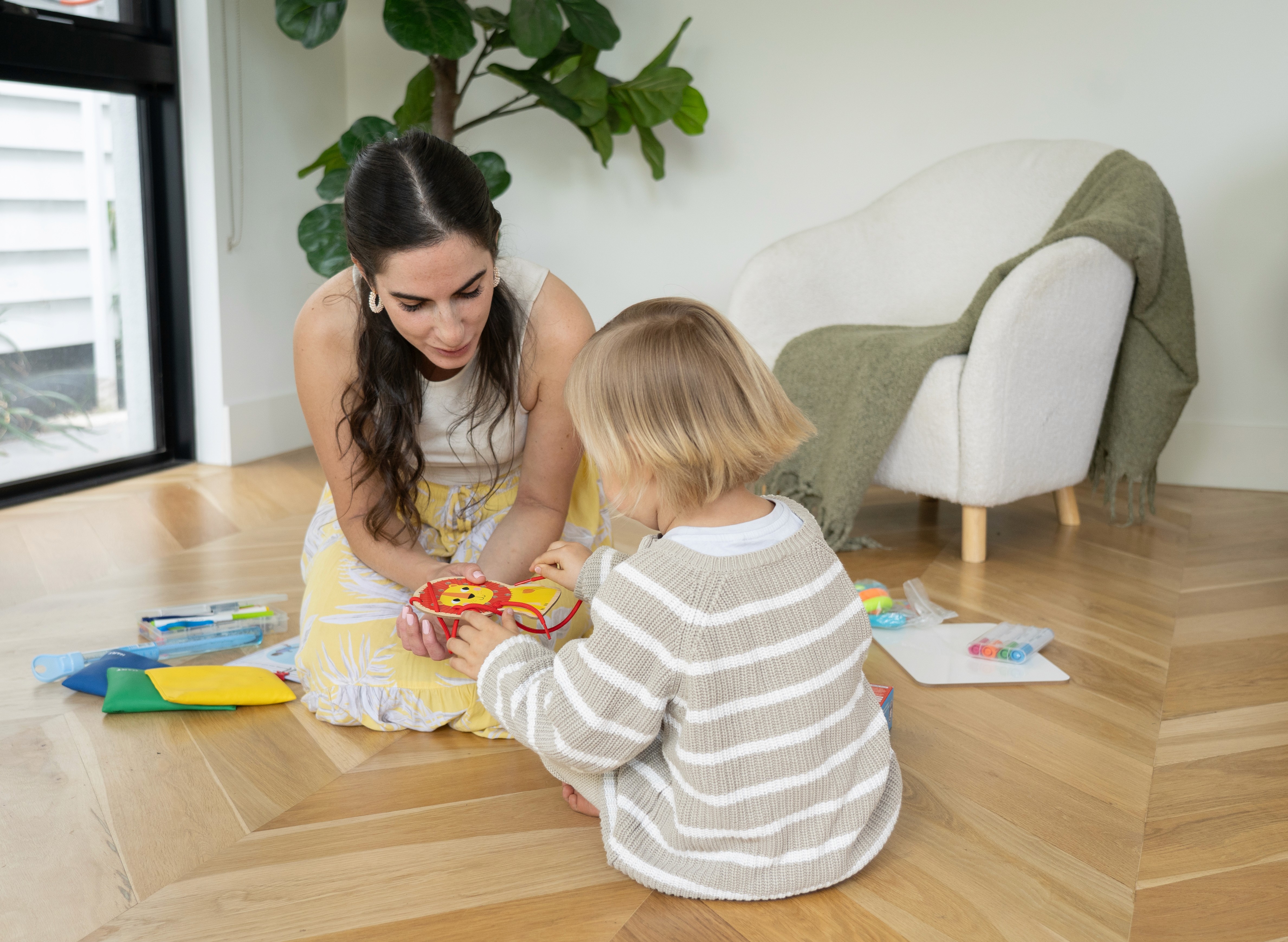
Mai provides play-based Occupational Therapy to support your child’s strengths, helping them build the skills they need in everyday life. Mai works closely with parents, caregivers and teachers to help children thrive in activities that are important to them.
Mai provides play-based Occupational Therapy to support your child’s strengths, helping them build the skills they need in everyday life. Mai works closely with parents, caregivers and teachers to help children thrive in activities that are important to them.





ABOUT ME
Mai’s Approach
Mai is a compassionate Paediatric Occupational Therapist with a degree in Neuroscience and a Master of Occupational Therapy. Sessions are play-based and neuroaffirming, centred on each child’s strengths and interests. Therapy settings include home, kinder, or school. Mai is fluent in English, Hebrew, and Spanish
How Occupational Therapy Helps
What is Occupational Therapy?
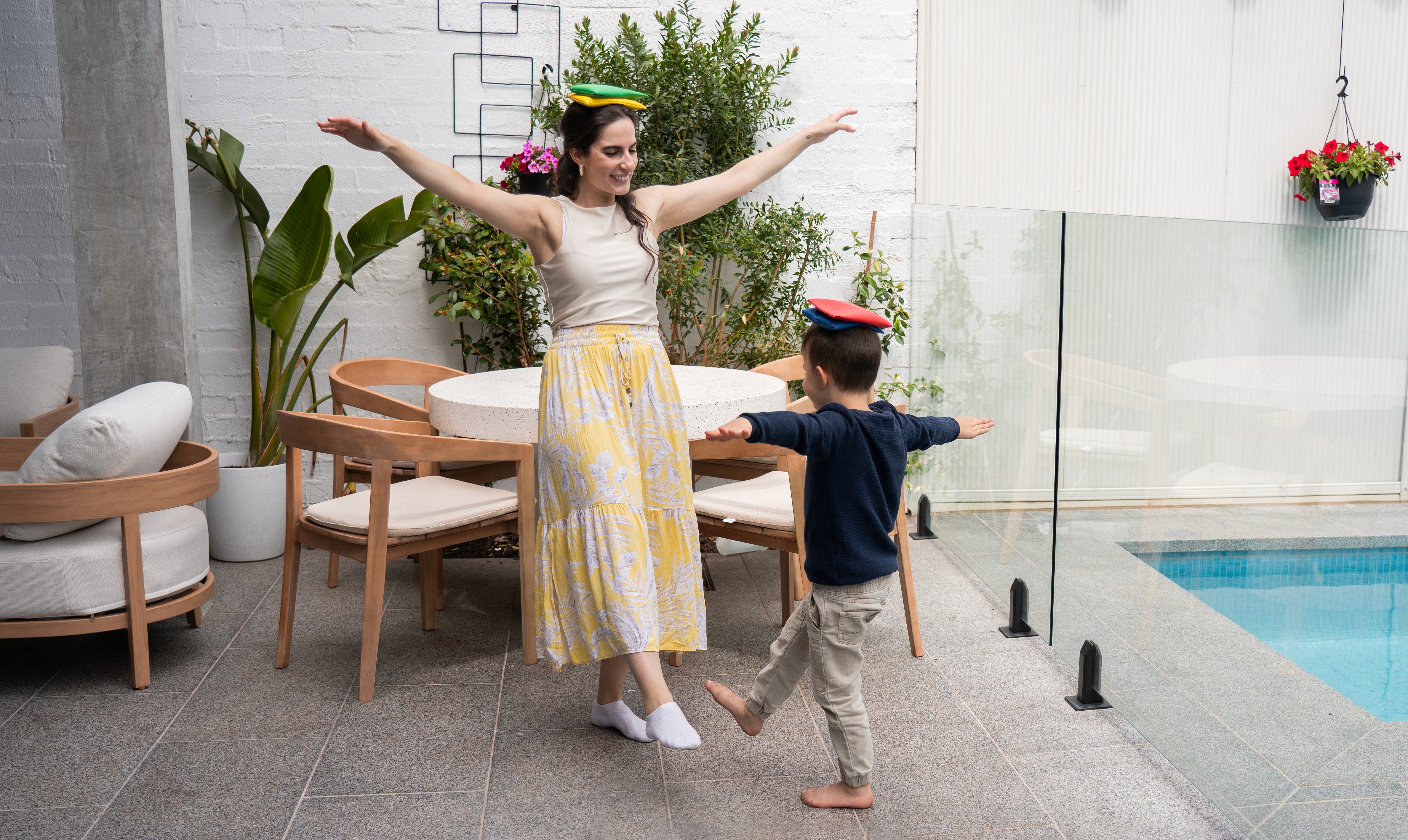
Occupational Therapy supports children to participate in everyday life in ways that work for them, with things like getting dressed, meaningful play, classroom activities, making friends, and understanding
What is Occupational Therapy?
Occupational Therapy supports children to participate in everyday life in ways that work for them, with things like getting dressed, meaningful play, classroom activities, making friends, and understanding
What is Occupational Therapy?
Occupational Therapy supports children to participate in everyday life in ways that work for them, with things like getting dressed, meaningful play, classroom activities, making friends, and understanding
Services
Types Of Supports Offered
Mai has specialised experience in Autism Spectrum Disorder, ADHD, developmental delays, and provides Occupational Therapy support for children with any challenges they face in completing daily activities. OT services include:

School Readiness Skills
Helping children build the attention, routines and social skills needed to thrive in kinder and school settings.
School Readiness Skills
Helping children build the attention, routines and social skills needed to feel confident during their transition and adjustment school.

Handwriting Support
Targeted programs to improve pencil grip, letter formation, and writing stamina with confidence.
Handwriting Support
Supporting functional pencil grip, letter formation and writing for school tasks, as well as environmental modification to support equal participation.

Play-Based Therapy
Using play to develop communication, imagination, social and emotional skills in a fun, child-led way.
Play-Based Therapy
Using play to support connection in a fun, child-centred way that empowers your child to participate meaningfully.

Motor Skill Development
Building strength, coordination and control for everyday tasks like drawing, writing, running and climbing.
Motor Skill Development
Building strength, coordination and control for everyday tasks like drawing, tying shoelaces, hopping and climbing

Sensory Processing Skills
Helping children understand and manage how they respond to sound, touch, movement, and other sensory input.
Sensory Processing Skills
Identifying sensory responses and adapting the environment and activities to your child’s perception of sound, touch, and other sensory input.

Self-Regulation Support
Strategies to help children manage their emotions, behaviours and energy levels throughout the day.
Self-Regulation Support
Understanding behaviour as communication, and helping children recognise their energy levels, channeling them in regulated ways.

Emotional Regulation Tools
Teaching children to recognise, express and manage their feelings using practical and age-appropriate strategies.
Emotional Regulation Tools
Teach children to understand, recognise and express their emotions, as age-appropriate, along with co-regulation strategies for parents and educators.

Toilet Training Help
Individualised support for toilet training that considers your child’s physical, emotional and sensory needs.
Toilet Training Help
Strategies for parents to support children's physical, emotional and sensory needs, and to reduce barriers around toileting.

Thinking & Organisation
Supporting planning, memory, focus and task management through executive functioning strategies.
Thinking & Organisation
Executive functioning strategies through guidance on planning, memory and attention, required for participation in daily activities.

Self-Care Independence
Framer is a design tool that allows you to design websites on a freeform canvas, and then publish them as websites with a single click.
Self-Care Independence
Developing skills for dressing, eating, bathing and other routines to promote independence.

Parent Coaching
Collaborative sessions to equip parents with practical tools and guidance tailored to their child’s needs.
Parent Coaching
The initial session is parent-only to determine goals. All following sessions are collaborative involving the parent, therapist, and child working together.

Funding Reports
Comprehensive reports to support applications for NDIS and other funding or school services.
Assessments and Funding Reports
Comprehensive reports for NDIS or VCE special consideration. Assessments to identify strengths and needs, such as sensory processing, motor skills, and handwriting.
Parent Coaching
The initial session is parent-only to determine goals. All following sessions are collaborative involving the parent, therapist, and child working together.
Assessments and Funding Reports
Comprehensive reports for NDIS or VCE special consideration. Assessments to identify strengths and needs, such as sensory processing, motor skills, and handwriting.
Thinking and Organisation
Executive functioning strategies through guidance on planning, memory and attention, required for participation in daily activities.
Self-Care Independence
Developing skills for dressing, eating, bathing and other daily routines to promote independence.
Emotional Regulation Tools
Teach children to understand, recognise and express their emotions, as age-appropriate, along with co-regulation strategies for parents and educators.
Toilet Training Help
Strategies for parents to support children's physical, emotional and sensory needs, and to reduce barriers around toileting.
Sensory Processing Skills
Identifying sensory responses and adapting the environment and activities to your child’s perception of sound, touch, and other sensory input.
Self-Regulation Support
Understanding behaviour as communication, and helping children recognise their energy levels, channeling them in regulated ways.
Play Skills
Using play to support connection in a fun, child-centred way that empowers your child to participate meaningfully.
Motor Skill Development
Building strength, coordination and control for everyday tasks like drawing, tying shoelaces, hopping and climbing
School Readiness Skills
Helping children build the attention, routines and social skills needed to feel confident during their transition and adjustment school.
Handwriting Support
Supporting functional pencil grip, letter formation and writing for school tasks, as well as environmental modification to support equal participation.
Parent Coaching
The initial session is parent-only to determine goals. All following sessions are collaborative involving the parent, therapist, and child working together.
Assessments and Funding Reports
Comprehensive reports for NDIS or VCE special consideration. Assessments to identify strengths and needs, such as sensory processing, motor skills, and handwriting.
Thinking and Organisation
Executive functioning strategies through guidance on planning, memory and attention, required for participation in daily activities.
Self-Care Independence
Developing skills for dressing, eating, bathing and other daily routines to promote independence.
Emotional Regulation Tools
Teach children to understand, recognise and express their emotions, as age-appropriate, along with co-regulation strategies for parents and educators.
Toilet Training Help
Strategies for parents to support children's physical, emotional and sensory needs, and to reduce barriers around toileting.
Sensory Processing Skills
Identifying sensory responses and adapting the environment and activities to your child’s perception of sound, touch, and other sensory input.
Self-Regulation Support
Understanding behaviour as communication, and helping children recognise their energy levels, channeling them in regulated ways.
Play Skills
Using play to support connection in a fun, child-centred way that empowers your child to participate meaningfully.
Motor Skill Development
Building strength, coordination and control for everyday tasks like drawing, tying shoelaces, hopping and climbing
School Readiness Skills
Helping children build the attention, routines and social skills needed to feel confident during their transition and adjustment school.
Handwriting Support
Supporting functional pencil grip, letter formation and writing for school tasks, as well as environmental modification to support equal participation.
Parent Coaching
The initial session is parent-only to determine goals. All following sessions are collaborative involving the parent, therapist, and child working together.
Assessments and Funding Reports
Comprehensive reports for NDIS or VCE special consideration. Assessments to identify strengths and needs, such as sensory processing, motor skills, and handwriting.
Thinking and Organisation
Executive functioning strategies through guidance on planning, memory and attention, required for participation in daily activities.
Self-Care Independence
Developing skills for dressing, eating, bathing and other daily routines to promote independence.
Emotional Regulation Tools
Teach children to understand, recognise and express their emotions, as age-appropriate, along with co-regulation strategies for parents and educators.
Toilet Training Help
Strategies for parents to support children's physical, emotional and sensory needs, and to reduce barriers around toileting.
Sensory Processing Skills
Identifying sensory responses and adapting the environment and activities to your child’s perception of sound, touch, and other sensory input.
Self-Regulation Support
Understanding behaviour as communication, and helping children recognise their energy levels, channeling them in regulated ways.
Play Skills
Using play to support connection in a fun, child-centred way that empowers your child to participate meaningfully.
Motor Skill Development
Building strength, coordination and control for everyday tasks like drawing, tying shoelaces, hopping and climbing
School Readiness Skills
Helping children build the attention, routines and social skills needed to feel confident during their transition and adjustment school.
Handwriting Support
Supporting functional pencil grip, letter formation and writing for school tasks, as well as environmental modification to support equal participation.
Parent Coaching
The initial session is parent-only to determine goals. All following sessions are collaborative involving the parent, therapist, and child working together.
Assessments and Funding Reports
Comprehensive reports for NDIS or VCE special consideration. Assessments to identify strengths and needs, such as sensory processing, motor skills, and handwriting.
Thinking and Organisation
Executive functioning strategies through guidance on planning, memory and attention, required for participation in daily activities.
Self-Care Independence
Developing skills for dressing, eating, bathing and other daily routines to promote independence.
Emotional Regulation Tools
Teach children to understand, recognise and express their emotions, as age-appropriate, along with co-regulation strategies for parents and educators.
Toilet Training Help
Strategies for parents to support children's physical, emotional and sensory needs, and to reduce barriers around toileting.
Sensory Processing Skills
Identifying sensory responses and adapting the environment and activities to your child’s perception of sound, touch, and other sensory input.
Self-Regulation Support
Understanding behaviour as communication, and helping children recognise their energy levels, channeling them in regulated ways.
Play Skills
Using play to support connection in a fun, child-centred way that empowers your child to participate meaningfully.
Motor Skill Development
Building strength, coordination and control for everyday tasks like drawing, tying shoelaces, hopping and climbing
School Readiness Skills
Helping children build the attention, routines and social skills needed to feel confident during their transition and adjustment school.
Handwriting Support
Supporting functional pencil grip, letter formation and writing for school tasks, as well as environmental modification to support equal participation.
Parent Coaching
The initial session is parent-only to determine goals. All following sessions are collaborative involving the parent, therapist, and child working together.
Assessments and Funding Reports
Comprehensive reports for NDIS or VCE special consideration. Assessments to identify strengths and needs, such as sensory processing, motor skills, and handwriting.
Thinking and Organisation
Executive functioning strategies through guidance on planning, memory and attention, required for participation in daily activities.
Self-Care Independence
Developing skills for dressing, eating, bathing and other daily routines to promote independence.
Emotional Regulation Tools
Teach children to understand, recognise and express their emotions, as age-appropriate, along with co-regulation strategies for parents and educators.
Toilet Training Help
Strategies for parents to support children's physical, emotional and sensory needs, and to reduce barriers around toileting.
Sensory Processing Skills
Identifying sensory responses and adapting the environment and activities to your child’s perception of sound, touch, and other sensory input.
Self-Regulation Support
Understanding behaviour as communication, and helping children recognise their energy levels, channeling them in regulated ways.
Play Skills
Using play to support connection in a fun, child-centred way that empowers your child to participate meaningfully.
Motor Skill Development
Building strength, coordination and control for everyday tasks like drawing, tying shoelaces, hopping and climbing
School Readiness Skills
Helping children build the attention, routines and social skills needed to feel confident during their transition and adjustment school.
Handwriting Support
Supporting functional pencil grip, letter formation and writing for school tasks, as well as environmental modification to support equal participation.
Parent Coaching
The initial session is parent-only to determine goals. All following sessions are collaborative involving the parent, therapist, and child working together.
Assessments and Funding Reports
Comprehensive reports for NDIS or VCE special consideration. Assessments to identify strengths and needs, such as sensory processing, motor skills, and handwriting.
Thinking and Organisation
Executive functioning strategies through guidance on planning, memory and attention, required for participation in daily activities.
Self-Care Independence
Developing skills for dressing, eating, bathing and other daily routines to promote independence.
Emotional Regulation Tools
Teach children to understand, recognise and express their emotions, as age-appropriate, along with co-regulation strategies for parents and educators.
Toilet Training Help
Strategies for parents to support children's physical, emotional and sensory needs, and to reduce barriers around toileting.
Sensory Processing Skills
Identifying sensory responses and adapting the environment and activities to your child’s perception of sound, touch, and other sensory input.
Self-Regulation Support
Understanding behaviour as communication, and helping children recognise their energy levels, channeling them in regulated ways.
Play Skills
Using play to support connection in a fun, child-centred way that empowers your child to participate meaningfully.
Motor Skill Development
Building strength, coordination and control for everyday tasks like drawing, tying shoelaces, hopping and climbing
School Readiness Skills
Helping children build the attention, routines and social skills needed to feel confident during their transition and adjustment school.
Handwriting Support
Supporting functional pencil grip, letter formation and writing for school tasks, as well as environmental modification to support equal participation.
Parent Coaching
The initial session is parent-only to determine goals. All following sessions are collaborative involving the parent, therapist, and child working together.
Assessments and Funding Reports
Comprehensive reports for NDIS or VCE special consideration. Assessments to identify strengths and needs, such as sensory processing, motor skills, and handwriting.
Thinking and Organisation
Executive functioning strategies through guidance on planning, memory and attention, required for participation in daily activities.
Self-Care Independence
Developing skills for dressing, eating, bathing and other daily routines to promote independence.
Emotional Regulation Tools
Teach children to understand, recognise and express their emotions, as age-appropriate, along with co-regulation strategies for parents and educators.
Toilet Training Help
Strategies for parents to support children's physical, emotional and sensory needs, and to reduce barriers around toileting.
Sensory Processing Skills
Identifying sensory responses and adapting the environment and activities to your child’s perception of sound, touch, and other sensory input.
Self-Regulation Support
Understanding behaviour as communication, and helping children recognise their energy levels, channeling them in regulated ways.
Play Skills
Using play to support connection in a fun, child-centred way that empowers your child to participate meaningfully.
Motor Skill Development
Building strength, coordination and control for everyday tasks like drawing, tying shoelaces, hopping and climbing
School Readiness Skills
Helping children build the attention, routines and social skills needed to feel confident during their transition and adjustment school.
Handwriting Support
Supporting functional pencil grip, letter formation and writing for school tasks, as well as environmental modification to support equal participation.
Parent Coaching
The initial session is parent-only to determine goals. All following sessions are collaborative involving the parent, therapist, and child working together.
Assessments and Funding Reports
Comprehensive reports for NDIS or VCE special consideration. Assessments to identify strengths and needs, such as sensory processing, motor skills, and handwriting.
Thinking and Organisation
Executive functioning strategies through guidance on planning, memory and attention, required for participation in daily activities.
Self-Care Independence
Developing skills for dressing, eating, bathing and other daily routines to promote independence.
Emotional Regulation Tools
Teach children to understand, recognise and express their emotions, as age-appropriate, along with co-regulation strategies for parents and educators.
Toilet Training Help
Strategies for parents to support children's physical, emotional and sensory needs, and to reduce barriers around toileting.
Sensory Processing Skills
Identifying sensory responses and adapting the environment and activities to your child’s perception of sound, touch, and other sensory input.
Self-Regulation Support
Understanding behaviour as communication, and helping children recognise their energy levels, channeling them in regulated ways.
Play Skills
Using play to support connection in a fun, child-centred way that empowers your child to participate meaningfully.
Motor Skill Development
Building strength, coordination and control for everyday tasks like drawing, tying shoelaces, hopping and climbing
School Readiness Skills
Helping children build the attention, routines and social skills needed to feel confident during their transition and adjustment school.
Handwriting Support
Supporting functional pencil grip, letter formation and writing for school tasks, as well as environmental modification to support equal participation.
FAQs
Frequently Asked Questions
Please don’t hesitate to reach out if you have any other questions
What Occupational Therapy services are offered?
One-on-one OT sessions at home, kinder, or school that support your child to participate in daily life with more confidence and independence. See the Services section for more detail.
Which areas do you operate in?
Mai provides OT services across Melbourne’s South Eastern suburbs.
How long are the sessions?
Sessions are 60mins of face-to-face therapy, including discussion with parents and/or teacher as relevant.
Do you collaborate with my child’s teachers or other professionals?
Yes, Mai works closely with your child’s teachers and other therapists or care team members to ensure consistent support across settings. Collaborating as part of a multidisciplinary team ensures everyone works toward shared goals that support your child’s strengths and needs.
Do I need a referral?
No referral is required, however, if you do have one, feel free to bring it along. The first session will be a parent-only meeting (either in person or online) to discuss your child’s strengths, challenges, concerns, and therapy goals.
What funding options are available?
NDIS (Self-managed or Plan-managed) Medicare - Chronic Disease Management plans (CDM) Private health insurance (depending on your specific coverage)
Contact
Contact
Please feel free to reach out!
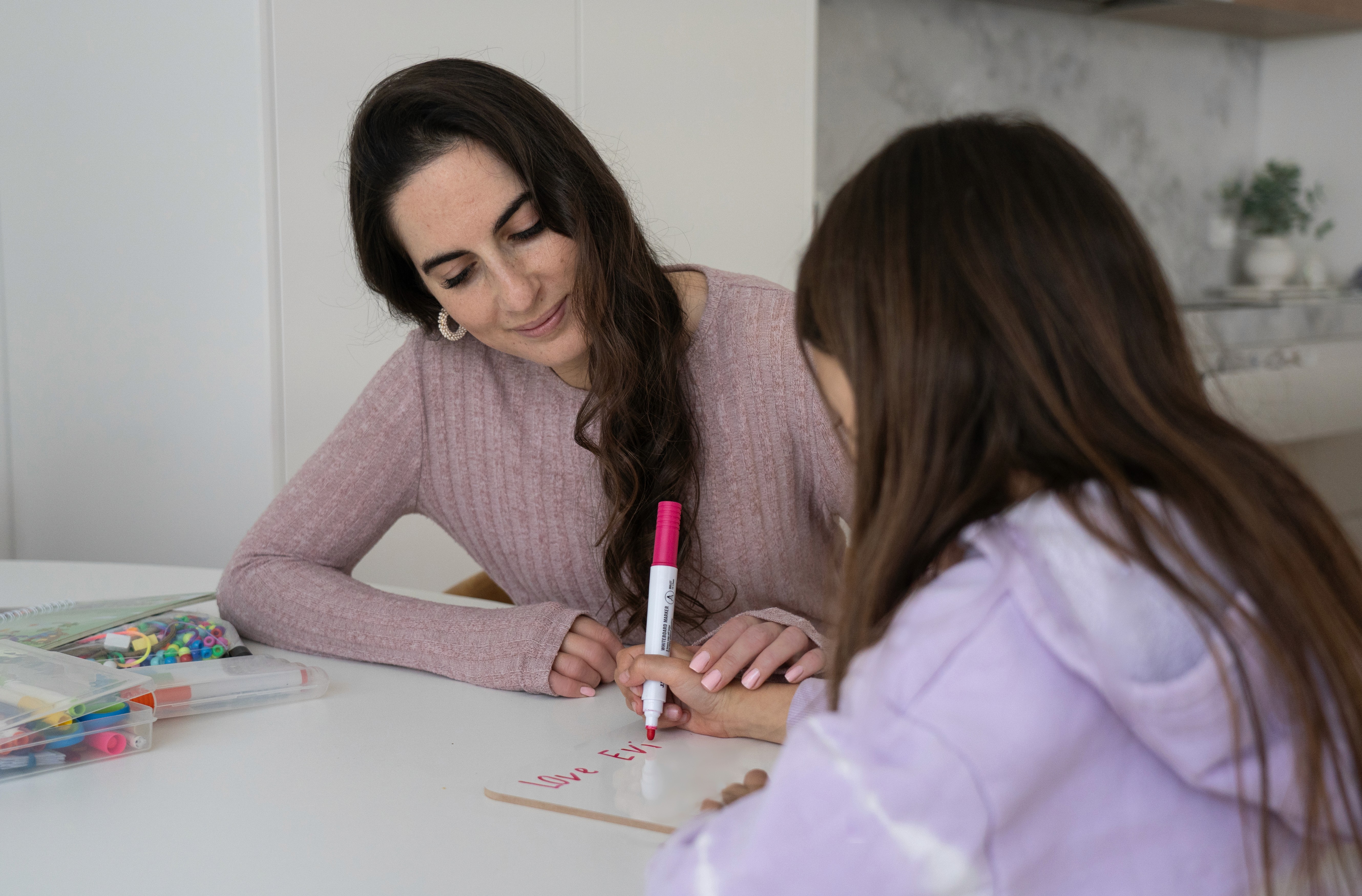
If you’d like to learn more or book an Occupational Therapy session, please fill out the form below. I’d love to hear about your child and how I can support them.
Helping kids shine by being the best version of themselves
Helping kids shine by being the best version of themselves
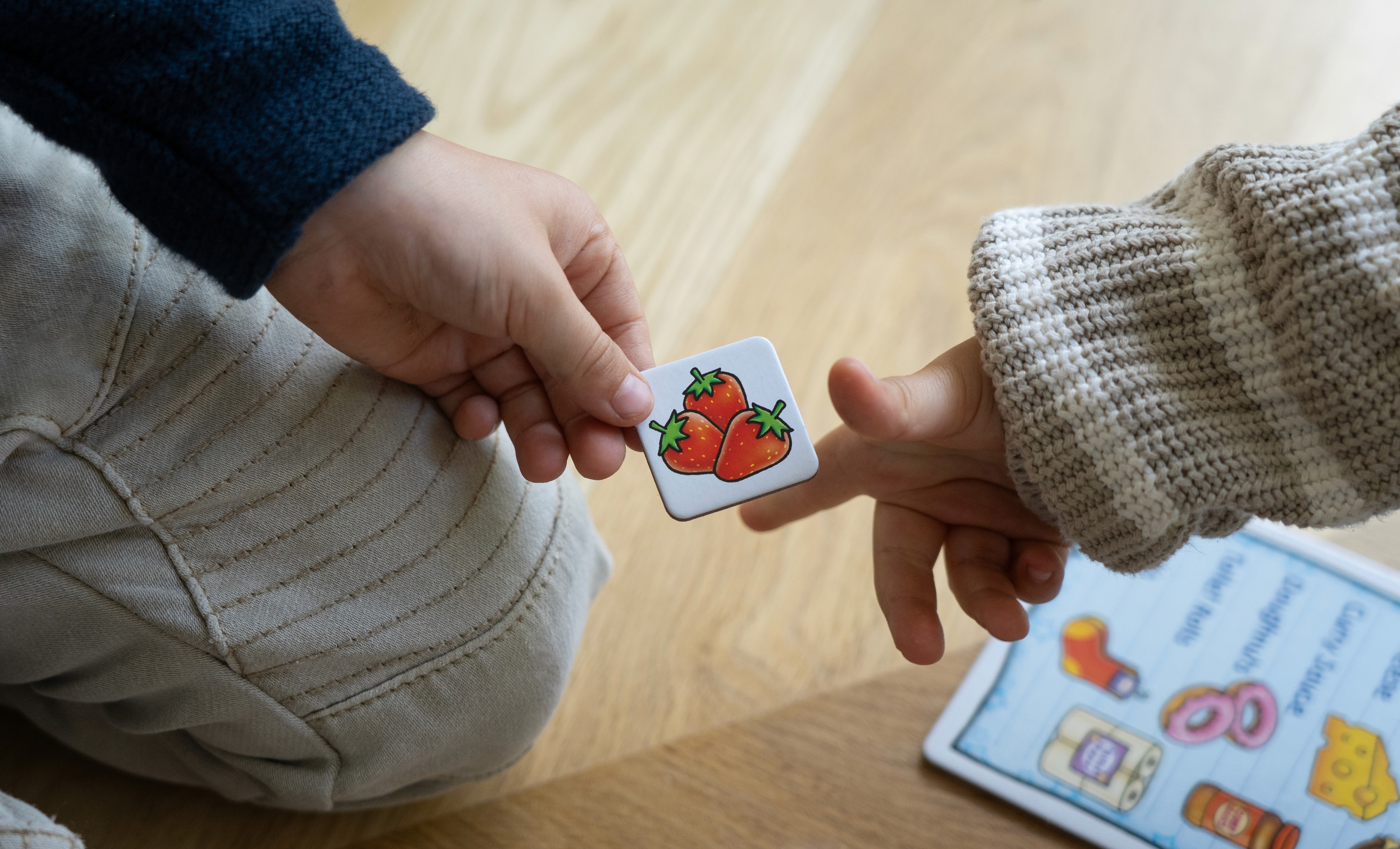

Mai provides personalised, play-based Occupational Therapy to support your child’s strengths, and build the skills they need in everyday life. Whether at home, kinder, or school, Mai works closely with parents and teachers to help children thrive in the activities that matter most.
Mai provides personalised, play-based Occupational Therapy to support your child’s strengths, and build the skills they need in everyday life. Whether at home, kinder, or school, Mai works closely with parents and teachers to help children thrive in the activities that matter most.
Mai Shibi OT



I © 2025 by Mai Shibi, All Rights Reserved
© 2025 by Mai Shibi, All Rights Reserved